
Learn Bookbinding
This beginner bookbinding guide explains how handmade journals are created using traditional binding techniques.
Learn the tools, materials, and simple methods used to bind notebooks and journals by hand.
What is Bookbinding?
Bookbinding is the craft of assembling pages into a notebook or journal using stitching, glue, or other traditional techniques. Handmade journals are often sewn by hand, allowing the notebook to open flat and last for years of use.
Many writers, artists, and journal keepers prefer handbound notebooks because they offer better paper quality and more durable construction than mass-produced notebooks.
Tools Used in Handmade Journals
Basic bookbinding requires only a few tools.
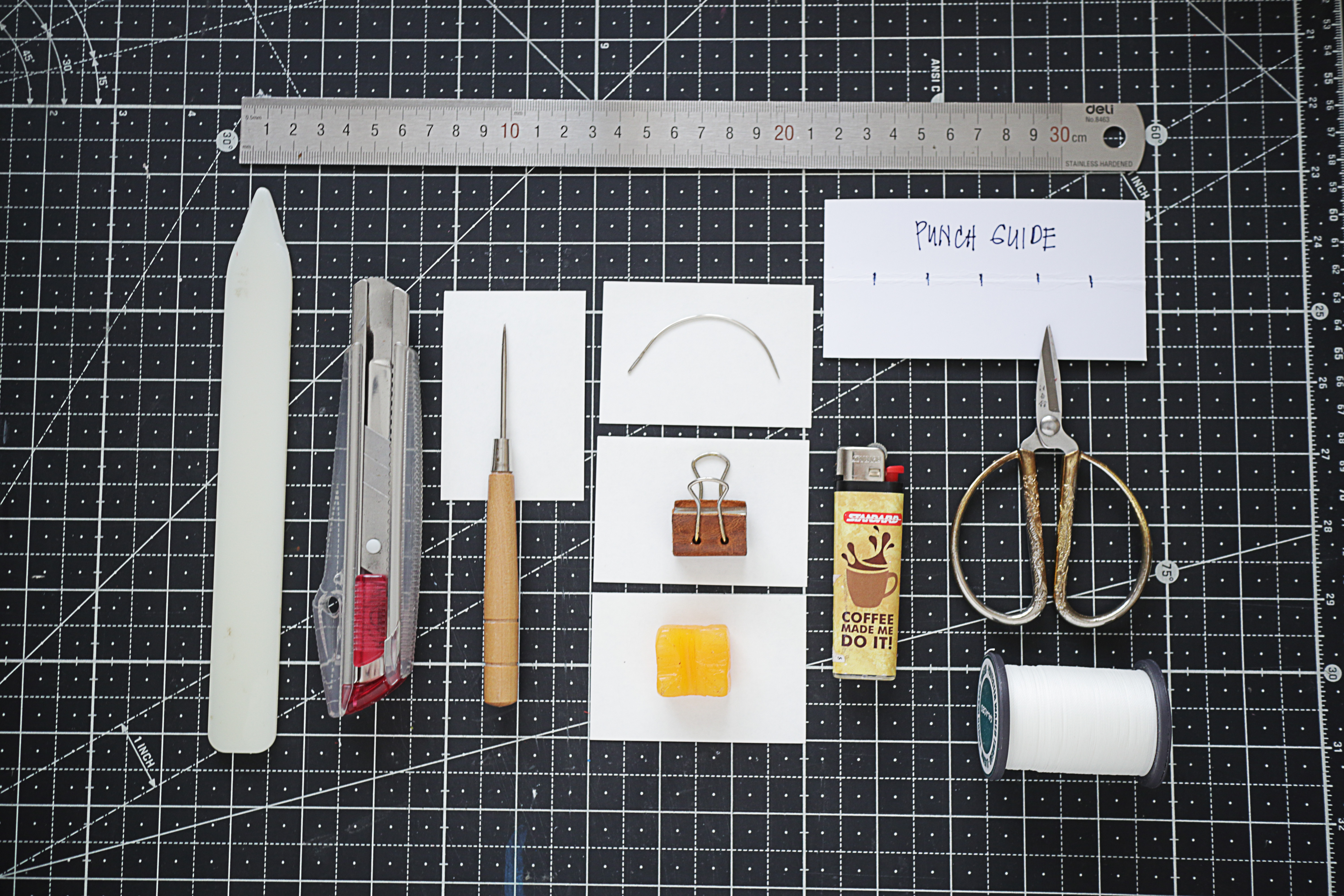
Common tools include:
• bookbinding needle
• waxed thread
• bone folder
• awl for punching holes
• cutting mat and metal ruler
• scissors
• lighter (optional)
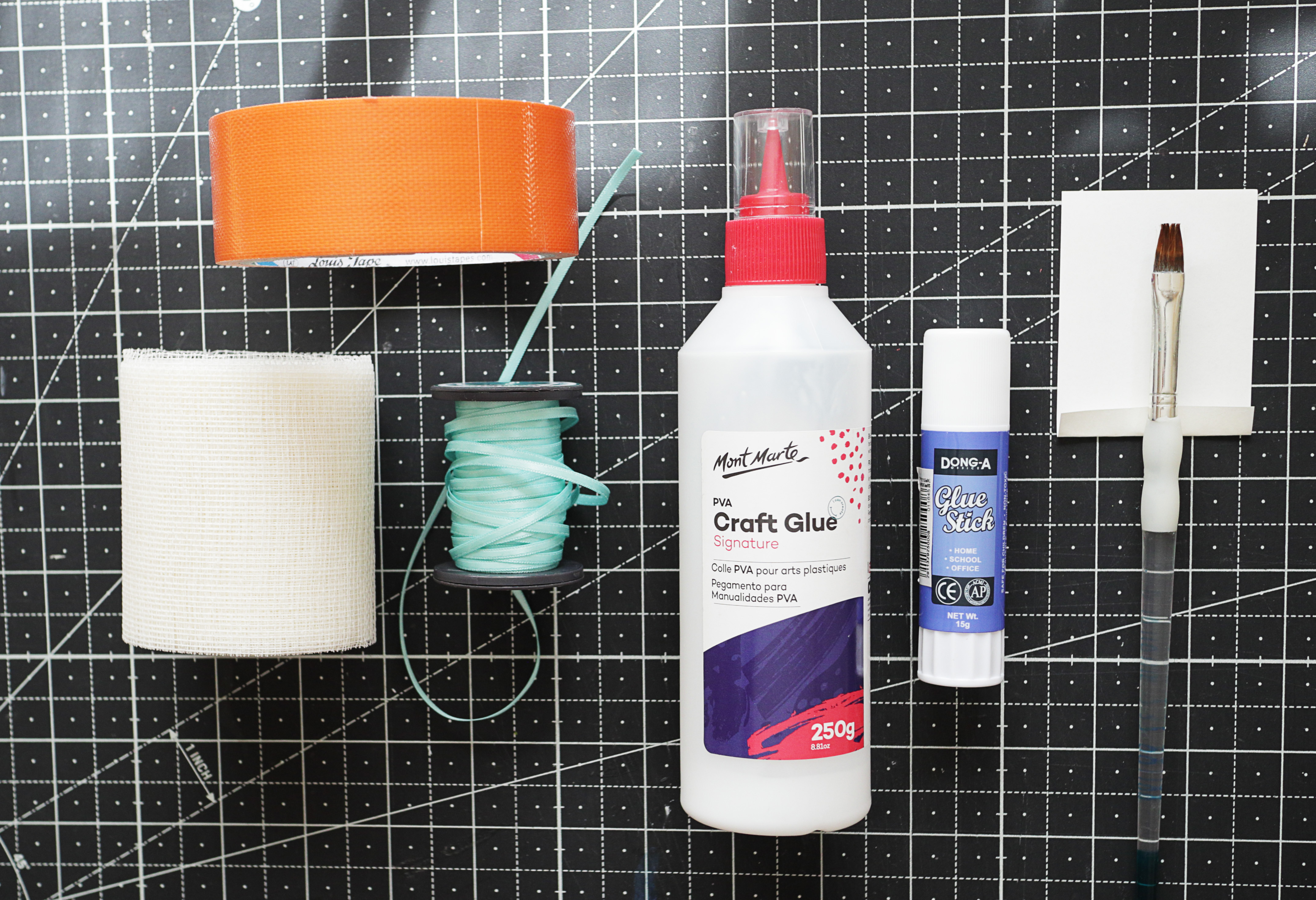
• book tape (optional)
• PVA glue
• ribbon for bookmarks
• mull cloth
• brush
• paper
• hole punch guide (diy or you can buy ready made ones)
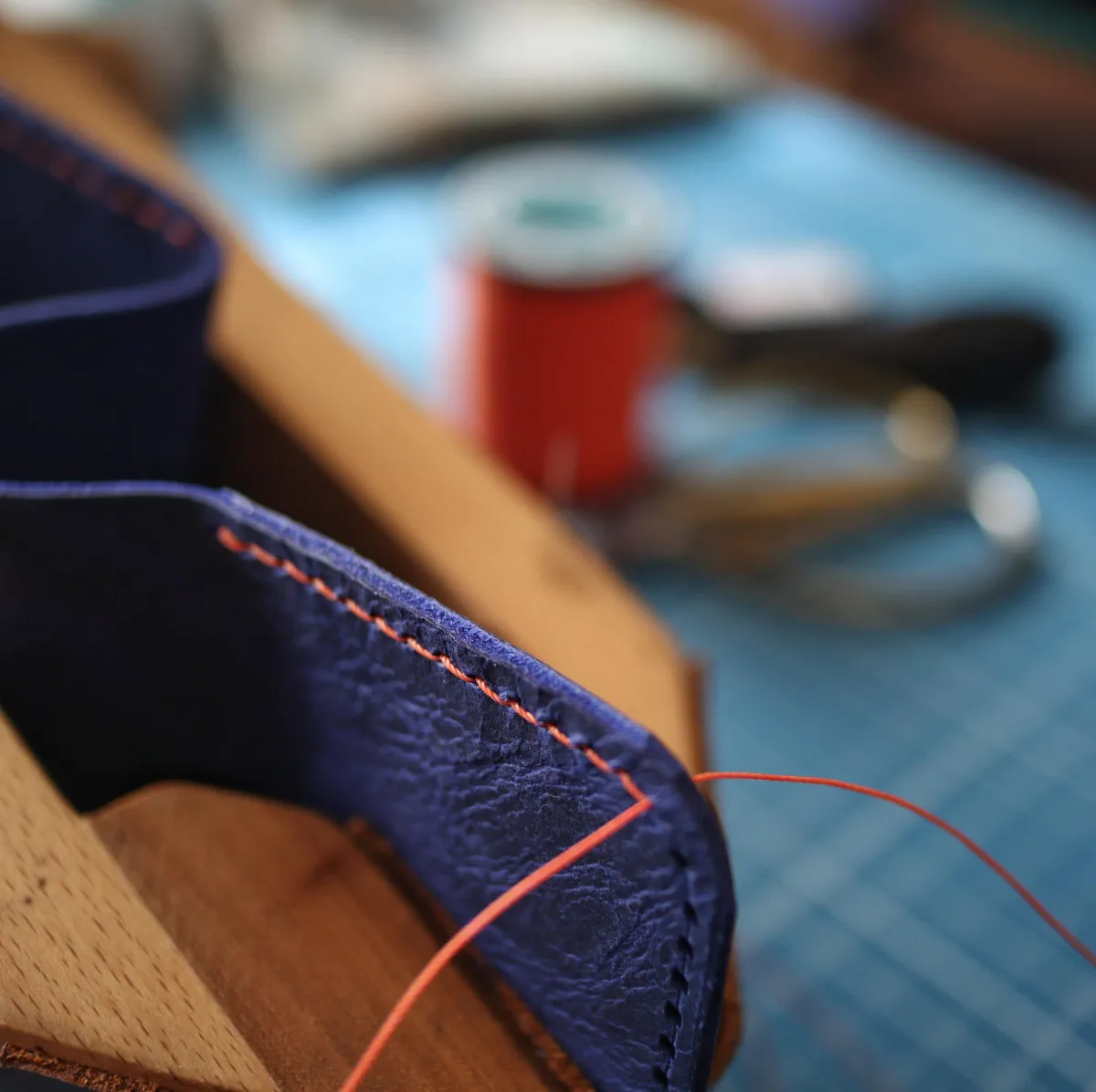
In artisan studios like Bluetracesph, these tools are used to stitch pages carefully by hand. As you go along, you will find what tools fits your needs.
Simple Binding Techniques for Beginners
Pamphlet Stitch (Single‑Signature Hand Sewing)
The pamphlet stitch is one of the most fundamental traditional bookbinding techniques. It’s used to bind a single signature—a stack of pages folded once—by sewing thread directly through the center fold. Most makers use a 3‑hole pattern for simplicity, though 5‑hole variations add extra stability but still depends on how big your notebook is.
You may also see this method referred to as single‑signature binding or center‑sewn binding. While it’s technically part of the broader family of “saddle‑stitch” bindings, that term is often associated with stapled booklets in modern printing. To keep things clear, bookbinders use pamphlet stitch when referring specifically to the hand‑sewn version.
This stitch is valued for its strength, elegance, and ability to open flat—making it ideal for handmade notebooks, chapbooks, and artist books.
Coptic Stitch (Exposed Chain‑Link Binding)
The Coptic stitch is a historic hand‑sewn binding technique known for its distinctive exposed chain‑link sewing along the spine. Each signature is sewn to the next using linked stitches, creating a flexible structure that opens completely flat. Traditionally, Coptic bindings used wooden covers, but modern bookbinders often pair the stitch with hard covers, decorative boards, or handmade papers.
You may also see this method referred to as Coptic chain stitch, Coptic binding, or exposed‑spine chain‑link binding. All describe the same technique: a multi‑signature book sewn without glue, where the stitching itself becomes both the structure and the visual feature.
This stitch is ideal for sketchbooks, art journals, and books where a full lay‑flat opening is essential.
French Link Stitch (Linked Spine Sewing for Multi‑Signature Books)
The French link stitch is a traditional hand‑sewn technique used to strengthen the spine of multi‑signature books. As each signature is sewn, the thread forms horizontal linking patterns across the spine, connecting one section to the next. These interlocking links create a flexible, durable structure that holds up beautifully to frequent opening and long‑term use.
This method is sometimes referred to as French link binding or linked‑stitch sewing, and it’s valued for the extra stability it adds without relying on glue. Because the stitching is usually covered by the spine material, it functions as a structural technique rather than a decorative exposed binding.
It’s a classic choice for handmade hardbound books, archival projects, and traditional bookbinding where strength and longevity matter.
These techniques are commonly used for handmade journals and small-batch notebook production.
How Handmade Journals Are Made
At Bluetracesph, journals are made in small batches using traditional methods.
The process typically includes:
- cutting fountain-pen-friendly paper
- folding and assembling signatures
- punching stitching holes
- sewing the pages together by hand
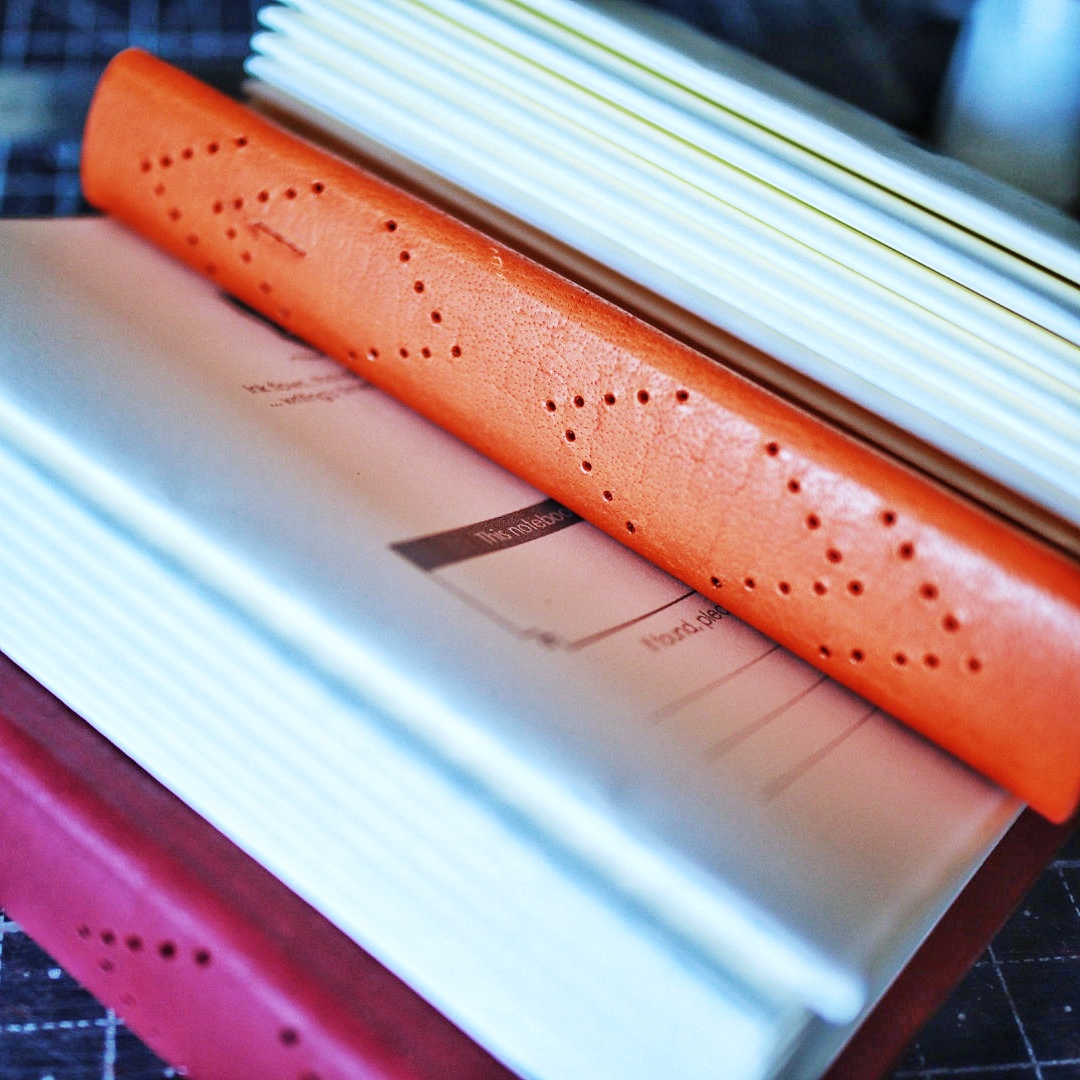
- fitting the notebook into a refillable leather cover
This slow process ensures each journal is durable and comfortable to write in.
Start Learning Bookbinding
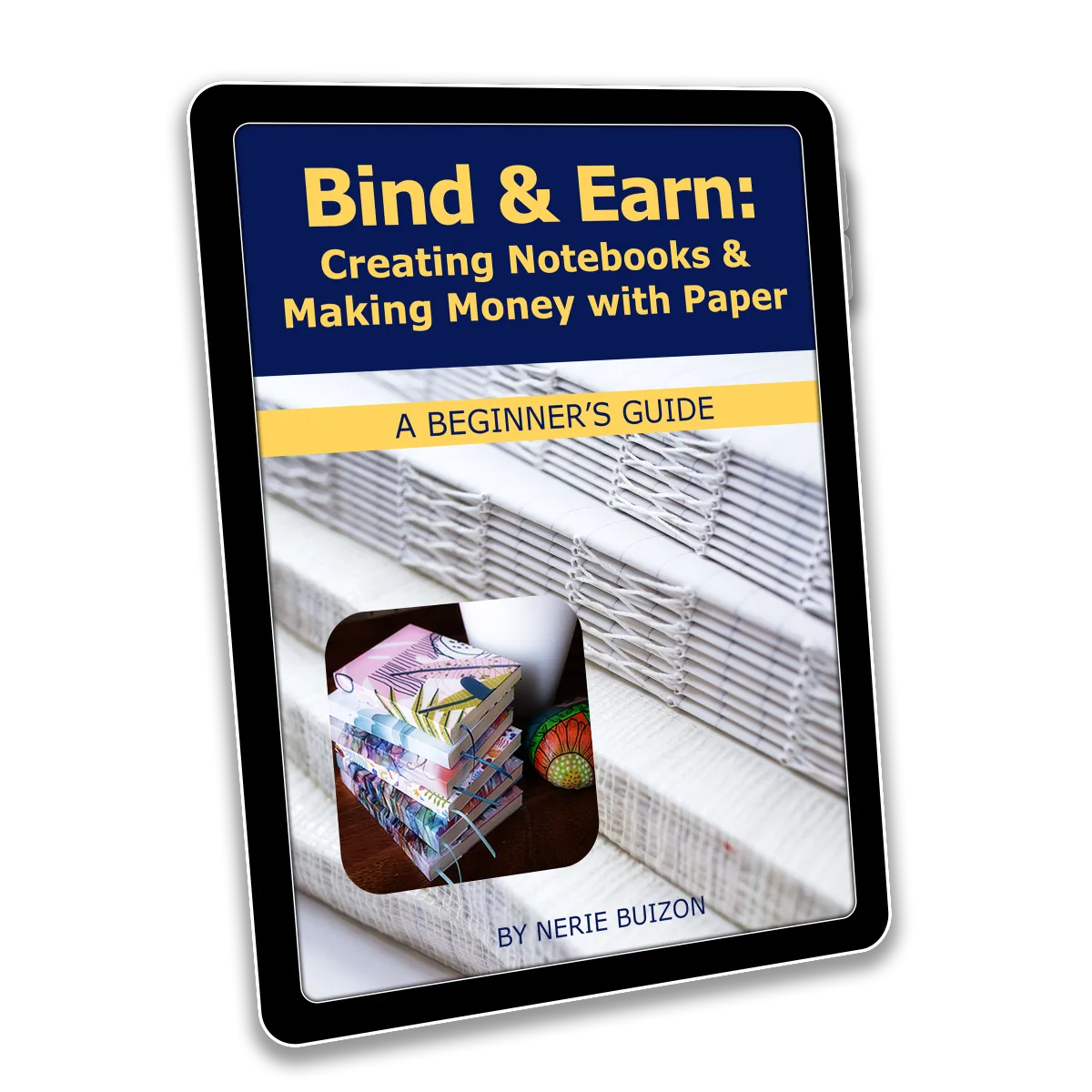
If you want to learn the full process step-by-step, you can explore the Bluetracesph beginner bookbinding guide.
The guide explains materials, stitching techniques, and how to create your own handmade notebooks at home.
Studio Process
Watch how Bluetracesph journals are designed and made.

Artisan Studio
Handmade leather journals and fountain-pen friendly notebook inserts crafted in the Philippines.
Explore the JOURNAL COLLECTON.